On finishing things
The last ten percent has no glamour in it. It is also the only part that turns work into something a stranger can use.

June Ashworth
Writer and editor
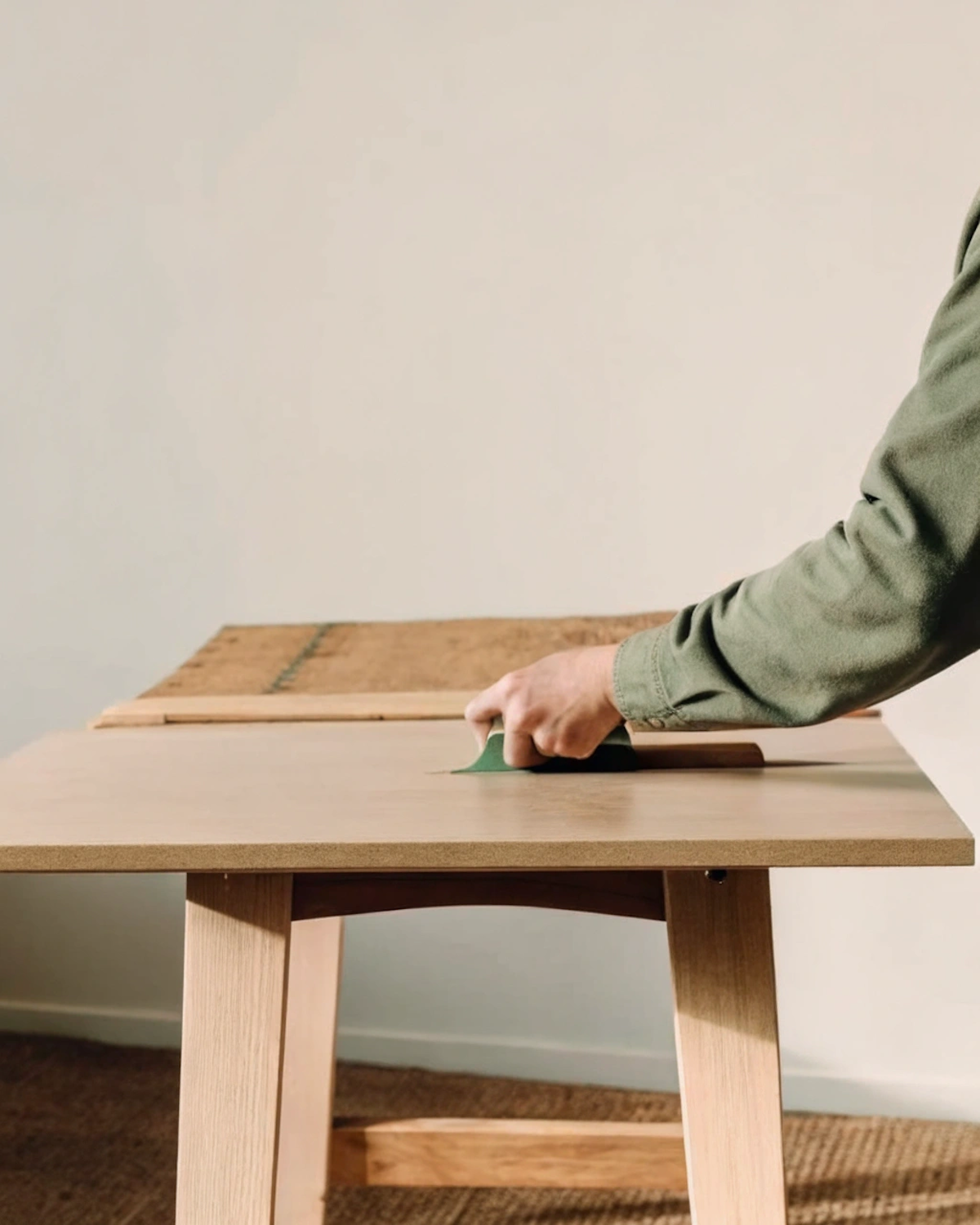
I have started perhaps four times as many things as I have finished. For most of my twenties I assumed this made me prolific. It made me a person with a lot of drawers.
Finishing is a separate skill from starting, and almost nothing about starting prepares you for it.
The last ten percent is a different job
Beginning is generous. Everything is possible, nothing is decided, and the work has not yet disappointed you.
The end is narrow. The choices are all small and none of them are exciting: the caption, the file name, the paragraph that was fine in the draft and is now clearly in the wrong place. This is the stage where the work stops being about you and becomes about whoever receives it.
Why we stop just before the end
An unfinished thing cannot fail. It sits in the drawer at its full imagined quality, and the moment it is finished it becomes a real object with real limits, which can be compared to other real objects.
Naming that made it much easier to push through. The dread at ninety percent is not a signal about the work. It is a signal that the work is nearly real.
A finished mediocre thing teaches you more than a perfect unfinished one, because only one of them comes back with a response.
What actually helps
- Set a date and tell someone. Not a deadline you can move quietly. A person who will ask.
- Write the ending early. The last paragraph, the final screen, the closing bar. Endings decided at midnight on the last day are the ones I regret.
- Keep a done list. Not a to-do list. Finished things, dated. It is the only defence against a memory that recalls every abandonment and no completions.
Lower the bar for what counts
Not everything deserves the full ten percent. Some work should be finished at eighty and released, and knowing which is which is most of the judgement.
But the drawer is not neutral. Every unfinished thing charges a small monthly rent in attention, and clearing three of them out, even badly, buys back more room than starting a fourth ever will.
Written by
June Ashworth
Writer and editor
June writes about attention, craft and the small habits that hold a working life together. She spent nine years editing other people's books before starting Marginalia as a place to think in public.